Program Timeline
Join Our Activities
Please view details to download related materials and register and/or donate to any scheduled event. Registered participants will be receiving email updates on the event's status, cancelations, or any other details.
October 2026
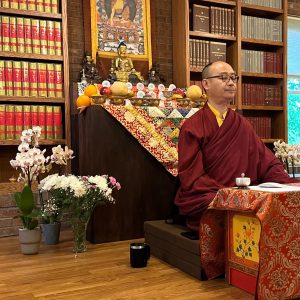
Sunday Meditation for All: Shamatha and Vipashyana
Meditation can be practiced by anyone, anywhere, and will benefit ourselves and others in the short and the long term. So, whether you are new to meditation or an experienced practitioner, familiar with the Dharma or simply curious, you are more than welcome to join us for our weekly Meditation for All session.
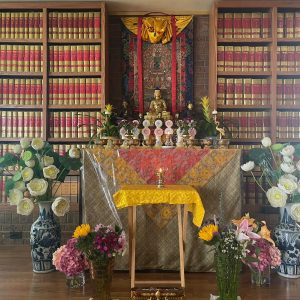
Tibetan Language Class: Basic Dharma Discourses
Would you like to get closer to the heart of the Buddha’s teachings through learning the Tibetan language? Do you wish to deepen your understanding and practice of the Dharma by learning basic conversations and reading in Tibetan? We practice reading and discussing basic Dharma conversations in Tibetan.

2026 Boudhanath Kora
Last year marked the successful completion of our first Wish-fulfilling Stupa Kora. This year, we warmly invite you to walk with us — for yourself, for those you love, and for the peace and wellness of all sentient beings. Let us take this step of compassion together; may every step become a sacred condition for fulfilling kind wishes and be a compassionate deed for the benefit of all beings.
Sunday Meditation for All: Shamatha and Vipashyana
Meditation can be practiced by anyone, anywhere, and will benefit ourselves and others in the short and the long term. So, whether you are new to meditation or an experienced practitioner, familiar with the Dharma or simply curious, you are more than welcome to join us for our weekly Meditation for All session.
Tibetan Language Class: Basic Dharma Discourses
Would you like to get closer to the heart of the Buddha’s teachings through learning the Tibetan language? Do you wish to deepen your understanding and practice of the Dharma by learning basic conversations and reading in Tibetan? We practice reading and discussing basic Dharma conversations in Tibetan.
November 2026
Sunday Meditation for All: Shamatha and Vipashyana
Meditation can be practiced by anyone, anywhere, and will benefit ourselves and others in the short and the long term. So, whether you are new to meditation or an experienced practitioner, familiar with the Dharma or simply curious, you are more than welcome to join us for our weekly Meditation for All session.
Tibetan Language Class: Basic Dharma Discourses
Would you like to get closer to the heart of the Buddha’s teachings through learning the Tibetan language? Do you wish to deepen your understanding and practice of the Dharma by learning basic conversations and reading in Tibetan? We practice reading and discussing basic Dharma conversations in Tibetan.

16th Karmapa’s Guru Yoga Practice
Regardless of whether you are familiar with the practice and who you consider to be your personal teacher, this practice allows us to connect with the enlightened qualities of the Buddha and, in a way, truly become the activity of the Karmapa, embodying the Buddha’s wisdom and compassion.
Sunday Meditation for All: Shamatha and Vipashyana
Meditation can be practiced by anyone, anywhere, and will benefit ourselves and others in the short and the long term. So, whether you are new to meditation or an experienced practitioner, familiar with the Dharma or simply curious, you are more than welcome to join us for our weekly Meditation for All session.
Tibetan Language Class: Basic Dharma Discourses
Would you like to get closer to the heart of the Buddha’s teachings through learning the Tibetan language? Do you wish to deepen your understanding and practice of the Dharma by learning basic conversations and reading in Tibetan? We practice reading and discussing basic Dharma conversations in Tibetan.
Sunday Meditation for All: Shamatha and Vipashyana
Meditation can be practiced by anyone, anywhere, and will benefit ourselves and others in the short and the long term. So, whether you are new to meditation or an experienced practitioner, familiar with the Dharma or simply curious, you are more than welcome to join us for our weekly Meditation for All session.
Tibetan Language Class: Basic Dharma Discourses
Would you like to get closer to the heart of the Buddha’s teachings through learning the Tibetan language? Do you wish to deepen your understanding and practice of the Dharma by learning basic conversations and reading in Tibetan? We practice reading and discussing basic Dharma conversations in Tibetan.
No event found!
Recent news
Read our posts on the center's activities, development, lamas, visitors, foundraising, and more.
All news